
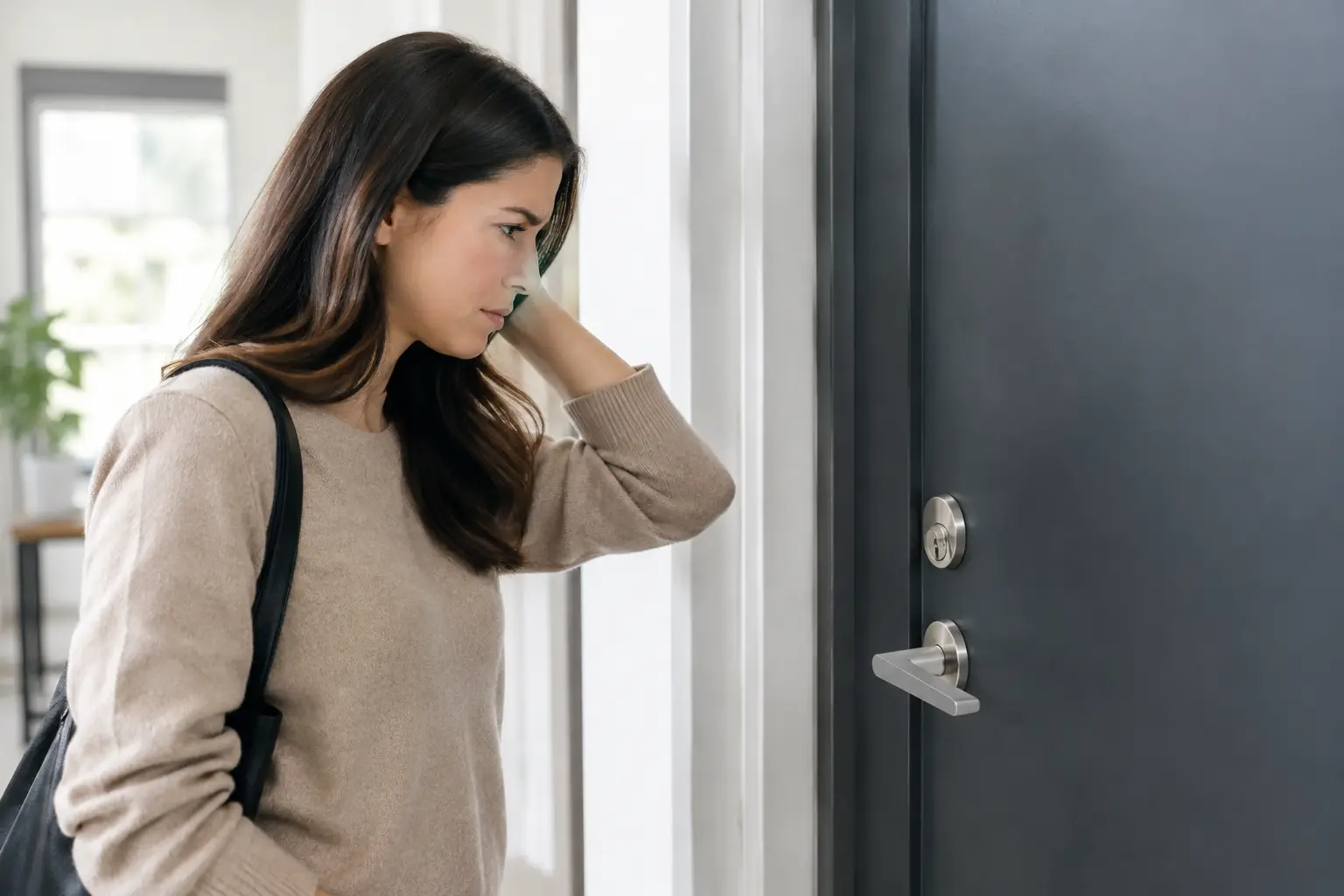
You are standing outside your apartment with your keys on the kitchen counter. The first question is usually not, “How do I get in?” It is: who pays apartment lockout fees? In most cases, the tenant pays when the lockout happened because they lost, forgot, or broke their key. But the answer changes when the lock, key, or building access system is the real problem.
The fair way to handle a lockout is simple: identify the cause, check the lease, get clear pricing before work begins, and document what happened. No one should be hit with a surprise charge after an already stressful situation.
Who Pays Apartment Lockout Fees in Most Cases?
Most apartment leases make tenants responsible for lockout fees caused by their own actions. That includes leaving keys inside, losing a key, locking a key fob in the unit, or damaging a key through normal misuse. A landlord or property manager may charge a stated lockout fee, send maintenance during business hours, or require the tenant to call and pay a locksmith directly.
This is not usually a punishment. It is a service cost. Someone has to respond, verify that the caller has the right to enter, and restore access without damaging the door or lock.
The amount can vary widely. A daytime maintenance visit may cost less than an after-hours emergency response. A simple apartment knob is often straightforward, while a high-security deadbolt, restricted keyway, smart lock, gated entry, or multi-door building can take more time. If a lock needs replacement because it was damaged, the cost can go beyond the basic lockout service.
Before agreeing to service, ask for the total expected price and whether there are separate charges for dispatch, labor, after-hours work, keys, or replacement hardware. Fair pricing should be clear before the technician starts.
When the Landlord May Be Responsible
A landlord is generally responsible when the lockout is caused by a maintenance or property issue rather than tenant error. For example, the landlord or property manager may need to cover the cost if the lock suddenly fails, the deadbolt jams, a provided key stops working, or a building-controlled access system malfunctions.
The same may apply if management changed the locks without properly giving you a working key, deactivated your fob by mistake, or failed to repair a known lock problem. If you reported that your lock was sticking for weeks and it finally fails while you are outside, that is very different from forgetting your keys.
In these situations, take photos or video if possible. Save texts, emails, maintenance requests, and any messages showing that you notified management about the issue. Documentation matters if there is a disagreement about reimbursement later.
A landlord should not use a lockout as a shortcut for removing a tenant. In California, landlords generally cannot lock a tenant out, shut off utilities, or change locks to force them out without following the legal eviction process. If you believe you were intentionally denied access to your home, document the situation and seek legal help quickly.
Your Lease Is the First Place to Look
The lease often answers the payment question directly. Look for sections titled “Keys,” “Lockouts,” “Access Devices,” “Maintenance Charges,” or “Resident Responsibilities.” Many leases state a set fee for replacement keys, garage remotes, fobs, mailbox keys, and after-hours lockout calls.
Some properties provide one courtesy lockout during office hours. Others have no on-site staff after closing and tell tenants to contact a locksmith. Large apartment communities may charge a standard fee through the resident portal, while smaller landlords may handle each situation individually.
Read the wording closely. A lease may say the tenant pays for a lockout unless the issue resulted from defective hardware. It may also require tenants to use the property’s approved locksmith or to notify management before changing or drilling a lock. Ignoring that requirement can create a separate charge, especially if the building uses master-keyed locks.
If the lease is unclear, send a short written message: “The key and lock are not working. Please confirm whether management will send someone or authorize a locksmith.” A written answer is better than guessing, particularly if reimbursement may be involved.
What If You Need Help After Hours?
After-hours lockouts are where costs and confusion tend to rise. The leasing office may be closed, maintenance may not handle personal lockouts, and the tenant may need immediate access for a child, pet, medication, work equipment, or basic safety.
If you need to call a locksmith, first make sure you are authorized to enter the unit. A legitimate locksmith should ask for identification, proof of residence, or other verification before opening the door. If your ID is locked inside, explain that upfront. A lease, utility bill, resident portal, or a property manager who can verify your tenancy may help establish authorization.
Do not force the door, pry the frame, break a window, or try to drill the lock yourself. What began as a standard lockout can become an expensive door, frame, lock, or security repair. It can also create a safety issue for everyone in the building.
For Orange County renters, a fast response matters, but so does a straight answer on price. Fast & Fair Locksmith focuses on clear estimates and on-site help without turning an urgent lockout into a confusing sales pitch.
Can a Tenant Be Charged for a Locksmith the Landlord Called?
Yes, if the lease allows it and the lockout was the tenant’s responsibility. A property manager may call their own vendor, pay the invoice, and charge the tenant’s account. The tenant can also be charged for replacement keys or access devices when those were lost.
But a charge should make sense. Ask for an itemized invoice if the fee seems unusually high. You should be able to see whether the bill covers a service call, labor, replacement key, lock repair, or new hardware. A vague “emergency fee” with no explanation deserves a question.
If the landlord called a locksmith because a building lock malfunctioned, the facts are different. The tenant should not automatically be billed just because they were the person stuck outside. The cause of the lockout matters more than who made the first phone call.
Steps to Take Before You Approve Service
A lockout feels urgent, but taking two minutes to confirm the details can protect you from avoidable costs. First, contact the leasing office, on-call maintenance number, or property manager if one is available. Ask whether there is an approved process and whether a lockout fee applies.
Next, confirm the locksmith’s price before dispatch when possible. Ask what the estimate includes, whether the rate changes at night or on weekends, and what happens if the lock needs replacement. Avoid anyone who gives an unrealistically low quote but will not explain the final price range.
Finally, keep the receipt. If the lock failed or management instructed you to arrange service, you may need that receipt to request reimbursement. Include the date, time, unit number, reason for service, and the name of anyone from management you spoke with.
How to Avoid the Next Apartment Lockout
The cheapest lockout is the one that never happens. Keep one spare key with a trusted nearby person if your lease allows it. If your building uses a fob, keep it separate from the key ring you carry every day. Check that your phone has the property’s after-hours maintenance number saved before you need it.
If the lock begins sticking, the key needs repeated wiggling, or the deadbolt is hard to turn, report it early. Small lock problems do not usually fix themselves. Addressing them before they fail can prevent a late-night lockout and make responsibility much easier to establish.
A fair outcome comes down to the cause: tenant mistake usually means tenant payment, while defective locks or property-controlled access failures are generally the landlord’s responsibility. When you are locked out, protect your safety first, get a clear price, and keep a record of what happened. That is how you get back inside without adding an unfair surprise to the bill.