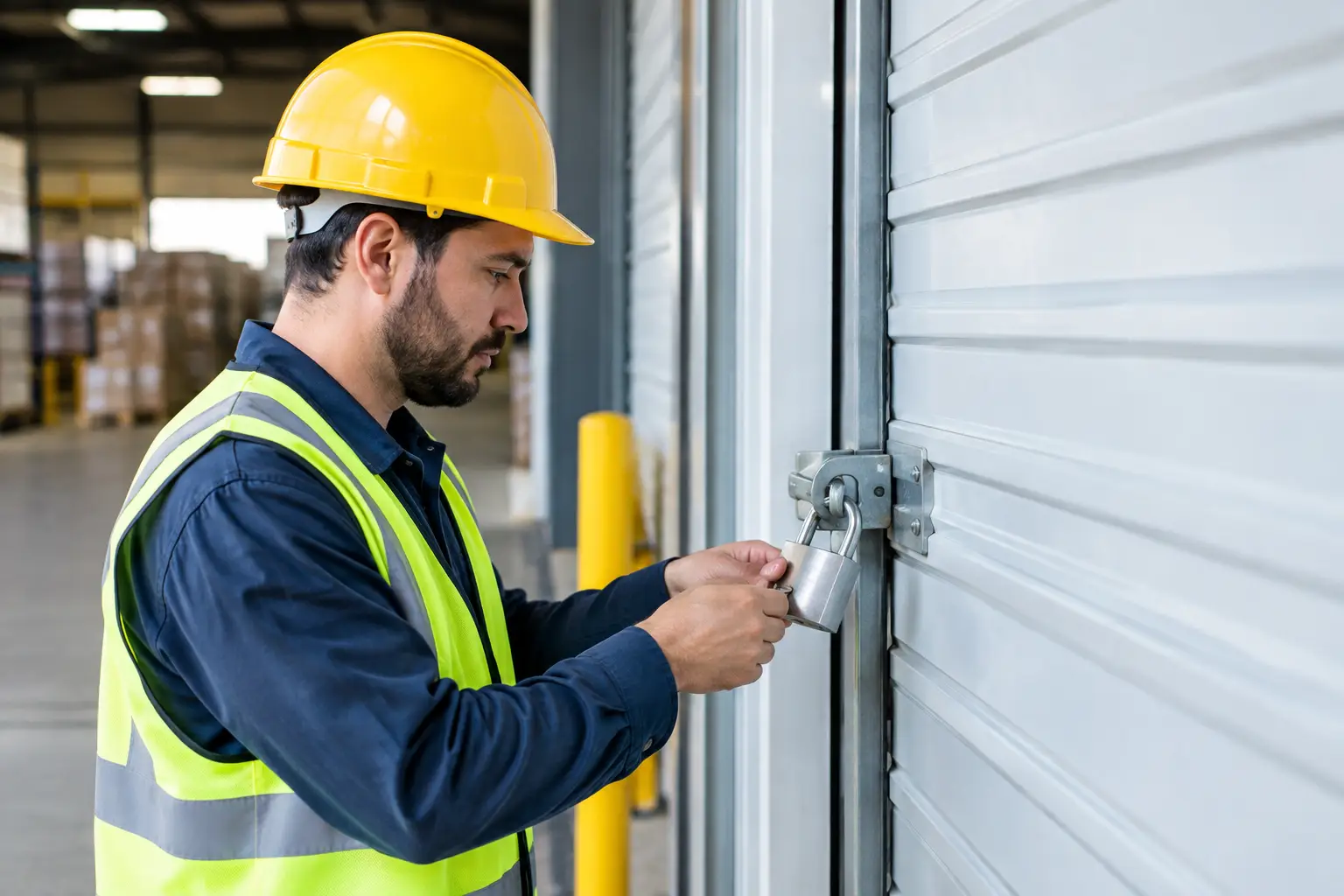
A warehouse lockout is not a small inconvenience. It can stop receiving, delay shipments, leave staff waiting outside, and put a whole shift behind schedule. Warehouse lockout resolution needs to be fast, but it also needs to protect the building, the inventory, and the people responsible for access.
The wrong move can turn a locked door into a damaged door, a broken panic bar, or a security problem that costs more than the original lockout. The right response is simple: verify authority, get a qualified locksmith on-site, open the correct entry point with minimal damage, and make sure the facility is secure before work resumes.
What Makes a Warehouse Lockout Different
Warehouses are built for traffic, security, and heavy use. A locked office door is one thing. A locked loading entrance, employee entrance, gate, dock door, or access-control door is another.
Many facilities have multiple layers of access: exterior gates, keyed doors, keypad systems, badge readers, interior cages, manager offices, and restricted inventory areas. A worker may be locked out of one part of the building while another team still has access elsewhere. That changes the best solution.
There is also more at stake. For a warehouse manager, access problems can affect delivery appointments, drivers on the clock, temperature-sensitive stock, alarm schedules, and employee safety. For a small business operating out of a storage or distribution space, one missing key can mean a lost day of revenue.
That is why the fastest option is not always forcing the nearest door. A professional should identify who is authorized to request service, which entrance should be opened, and whether the lock or access system has actually failed.
Start With the Right Call
Before dispatching help, confirm the basics. Is this a true lockout, a failed lock, a dead keypad battery, a misplaced key, an access-control issue, or a door that will not release because of pressure or hardware damage? The answer helps avoid wasted time and unnecessary work.
The person requesting service should be prepared to show authorization to enter the property. That may be a company ID, lease information, manager confirmation, property management contact, or another reasonable form of verification. A legitimate locksmith should take this seriously. Fast service should never mean careless access.
When you call, be ready to explain the type of entrance, whether the business is currently operating, whether employees or drivers are waiting, and whether there are any urgent safety concerns. Clear information lets the technician arrive with the right tools instead of guessing after arrival.
If the warehouse has an alarm or monitored access system, contact the alarm company or designated manager before entry work begins. You do not want a simple lockout to create a police dispatch, false-alarm charge, or security incident.
What Professional Warehouse Lockout Resolution Looks Like
A proper service call should be direct. The technician assesses the door and lock, confirms authorization, explains the likely solution and price, then gets to work. You should not be pressured into replacing hardware that can be opened or repaired.
Non-destructive entry is usually the first goal. Depending on the lock and door, that may involve professional picking, decoding, bypass methods appropriate to the hardware, or correcting a mechanical issue that is keeping the door from opening. The exact method depends on the door, lock type, and condition of the hardware.
Sometimes drilling or replacement is necessary. A severely damaged commercial lock, failed cylinder, broken keyway, or compromised security hardware may not be recoverable without replacement. When that happens, the technician should explain why, show the available options, and give the price before doing additional work.
This is where fair pricing matters. A warehouse lockout is urgent, but urgency is not permission for vague quotes or surprise fees. Ask what the service call covers, whether labor is included, what replacement hardware would cost if needed, and whether after-hours pricing applies. A clear answer upfront is the standard you should expect.
Do Not Turn a Lockout Into Door Damage
When deliveries are waiting, it is tempting to grab a pry bar, call a maintenance employee, or try to force a side door. That can create a much bigger problem.
Commercial doors often rely on aligned frames, closers, panic hardware, strike plates, and weather seals. Forcing a door can bend the frame, damage the latch, pull loose the closer, or leave the building unable to lock properly afterward. A damaged fire-rated door can also create compliance and safety concerns.
Avoid breaking glass, removing hinges, cutting padlocks without a plan, or defeating alarm components. These shortcuts can expose inventory and lead to repairs that cost far more than professional entry. If there is an immediate life-safety emergency, call 911. For an access emergency without immediate danger, use a qualified commercial locksmith.
After Entry, Fix the Cause
Getting inside is only the first part of the job. A warehouse that locks out staff once may do it again if the underlying issue is ignored.
If keys were lost, stolen, or not returned by a former employee, rekeying may be the better choice. Rekeying changes the internal pins of compatible locks so the old keys no longer work. It is often more economical than replacing every lock, especially when several doors are keyed alike.
If the key snapped, the lock sticks, or the latch does not engage consistently, repair may be enough. If the hardware is worn, outdated, or repeatedly failing under heavy use, replacement can be the smarter long-term decision. The best option depends on how often the door is used, who needs access, and how much security the area requires.
For warehouses with high employee turnover, multiple shifts, or vendor access, a basic key-control plan helps prevent repeat emergencies. Keep a controlled spare key with an authorized manager or secure lockbox, document who has keys, and collect keys immediately when employment ends. For some operations, restricted key systems or managed electronic access may make more sense than standard duplicated keys.
Protect Access Without Slowing Operations
Security and convenience need to work together. A warehouse that is too easy to enter is vulnerable. A warehouse that is too difficult for authorized employees to access can lose time every week.
Start by identifying critical entry points: main employee doors, receiving doors, offices holding sensitive records, inventory cages, and exterior gates. Not every door needs the same lock or access level. High-value inventory areas may need tighter control, while general employee entrances need durable hardware that can handle frequent use.
It also helps to assign clear responsibility. One person should know who can authorize locksmith work, where spare credentials are kept, and how to contact the alarm provider. This avoids the familiar after-hours problem where several people have partial information but nobody can approve a decision.
For Orange County warehouse operators, response time can matter especially when traffic, scheduled freight, and limited delivery windows are already working against the day. Fast & Fair Locksmith approaches commercial lockouts with that reality in mind: get there, verify the situation, explain the cost, and resolve the access problem without games.
Questions to Ask Before Approving Service
A few direct questions can protect your business during a stressful moment. Ask whether the technician can provide a clear estimate before work begins, whether non-destructive entry will be attempted first, and what happens if the lock must be replaced.
Also ask whether the technician can rekey the building or create additional keys after entry if that would prevent another disruption. If the lockout involves a gate, panic bar, access-control system, or high-security cylinder, say so before dispatch. Commercial hardware varies widely, and accurate details lead to faster service.
Be cautious with quotes that sound unusually low but do not explain what is included. A fair price is not necessarily the cheapest number stated on the phone. It is a price that is explained clearly, matches the work performed, and does not change without a legitimate reason.
The next time a key goes missing or an employee entrance will not open, keep the response calm and controlled. Protect the door, confirm authority, get a straightforward estimate, and restore access the right way. A fast fix is valuable. A fast fix that leaves your warehouse secure is the one that keeps business moving.