
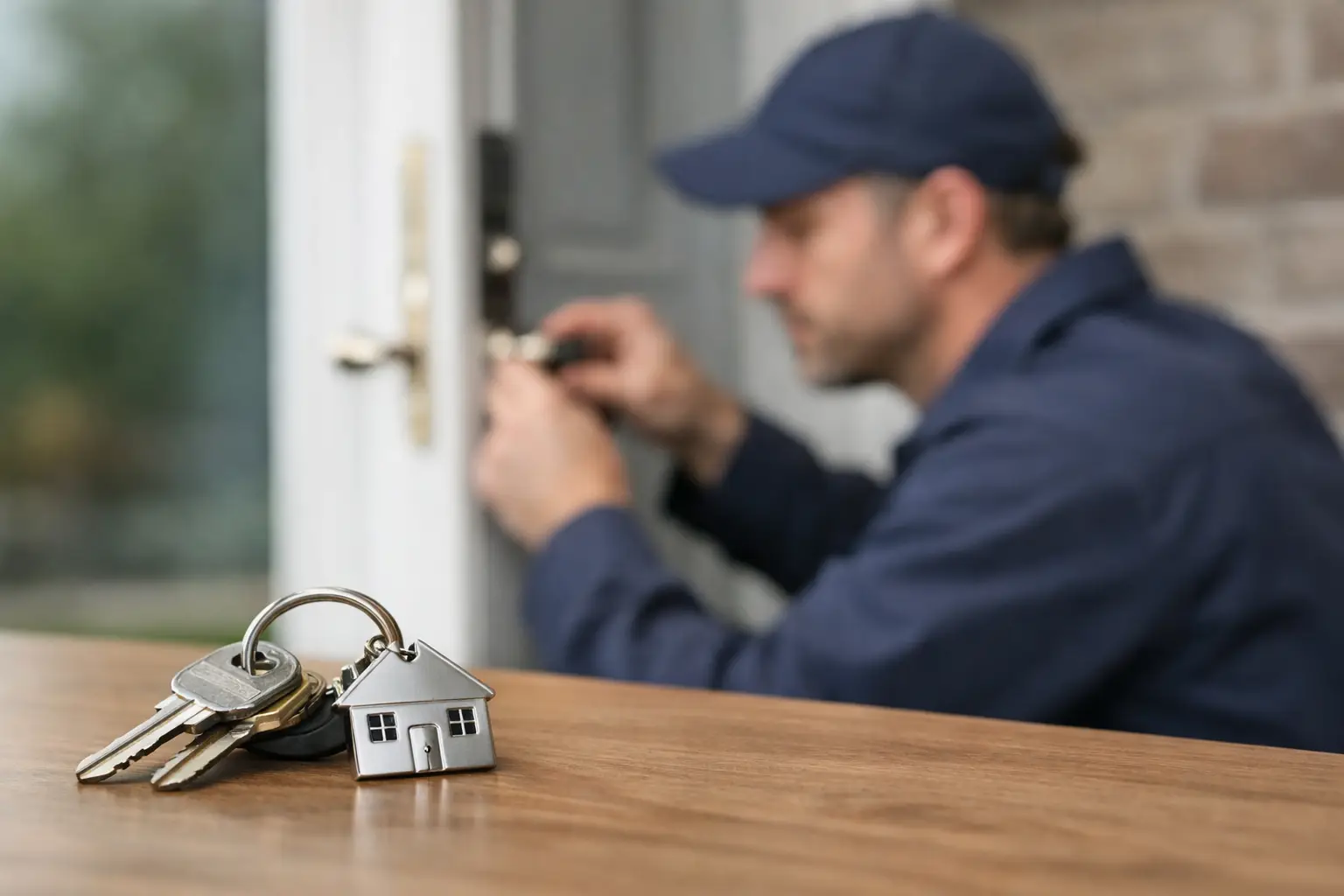
Losing your house keys usually happens at the worst possible moment - when you're carrying groceries, running late, or standing outside after dark. If you need to replace lost house keys quickly, the fastest move is not always the same for every situation. Sometimes you just need a new key. Sometimes you need to protect the property first.
That difference matters because speed is only half the job. The other half is making sure you do not spend money on the wrong fix.
Replace lost house keys quickly - first decide if it is just lost or actually risky
If your keys slipped out somewhere unknown, the question is simple: could someone use them to get into your home?
If the keys were lost in a parking lot with no identifying information attached, you may decide a replacement key is enough. If they were stolen, taken with your wallet, dropped near your address, or lost with a keychain that identifies the property, treat it as a security issue right away. In that case, rekeying or changing the locks is usually smarter than making a copy.
This is where people lose time. They focus on getting inside, then forget the bigger problem. Entry is urgent. Security is urgent too.
The fastest options depend on what you still have
If you have a spare key, your quickest path is obvious. Use the spare, then decide whether to duplicate it, rekey the lock, or replace hardware. A spare buys you time, but it should not make you ignore a security risk.
If you do not have a spare but someone else does - a roommate, landlord, family member, or property manager - getting that key may be faster and cheaper than calling for emergency entry. For renters, this is often the first call to make, assuming it is safe and practical.
If no spare exists, an on-site locksmith is usually the fastest professional solution. A locksmith can unlock the door, identify the lock type, and tell you whether key cutting, rekeying, or full lock replacement makes the most sense. For most residential situations, that is faster than removing the lock yourself, driving it to a store, and hoping the key can be made without delays.
If the lock is damaged, old, or part of a smart lock setup with key override issues, the answer may change. Some jobs are simple. Some turn into hardware replacement because the original setup is already failing.
When a new key is enough
A straight key replacement works best when the lost key is not tied to a real security threat.
That usually means you still control access to the property, the missing key cannot be traced back to your home, and the lock is working well. In that case, a locksmith may be able to make a new key from the lock itself, from a code if available, or from another existing key.
This is the lower-cost option in many cases, but it has limits. A new key does not cancel the missing one. If someone finds the old key later, it may still work. That is fine for low-risk situations. It is a bad gamble for high-risk ones.
When rekeying is the better call
Rekeying means changing the inside of the lock so the old key stops working and a new key works instead. For a lot of homeowners and property managers, this is the sweet spot.
It is often faster and less expensive than replacing all the lock hardware, especially if the existing lock is in good shape. You keep the lock body, but you reset who has access. If your keys were stolen, lost with identifying info, or unreturned by a former tenant, rekeying is usually the practical answer.
It also makes sense if multiple doors are involved. In some cases, a locksmith can rekey several locks to work with one new key, which is simpler than carrying a mess of mismatched copies.
When replacing the lock is worth it
Sometimes rekeying is not enough. If the lock is worn out, damaged after a lockout, low quality, or part of a larger security upgrade, replacing it can save trouble later.
This is common in rentals between tenants, older homes with unreliable hardware, and situations where you want to move to a better deadbolt or keypad lock. Replacing the lock costs more than cutting a key and may cost more than rekeying, but it gives you a fresh start.
The trade-off is time and hardware cost. If you are standing outside and need immediate access, the first step may still be emergency entry. The hardware decision can happen right after.
How to avoid wasting time when you call for help
If you want to replace lost house keys quickly, have the right details ready before you call.
Start with the address, the type of property, whether you are locked out right now, and whether the keys were simply misplaced or likely stolen. Mention if it is a house, condo, apartment, gate, mailbox, or side door only. Tell them if you need entry only, a new key, rekeying, or a full lock replacement.
Photos can help too, especially if you are dealing with unusual hardware, a smart lock, or a damaged deadbolt. Good information cuts down delays because the technician can arrive prepared.
Just as important, ask how pricing works before anyone is dispatched. A fair locksmith should explain the service call, labor, and likely ranges without playing games. If the quote sounds unrealistically low and vague, be careful. Cheap bait pricing is common in this industry, and it often changes once the technician arrives.
For renters, homeowners, and property managers, the right move is not always the same
Renters should usually check the lease and contact the landlord or property manager if possible. Some buildings have rules about lock changes, and some want to control key records. That said, if you are locked out late at night or facing a safety issue, immediate access comes first.
Homeowners usually have the most flexibility. If the key loss feels minor, duplication may be enough. If there is any doubt about who could find the key, rekeying is the safer move.
Property managers tend to think differently because they have to protect units, tenants, and turnover schedules. In multi-unit settings, rekeying after a lost key is often the cleaner policy. It reduces liability and keeps access control organized.
After-hours service can be worth it - but only if the pricing stays fair
A lost key problem rarely waits for business hours. Nights, weekends, and holidays are when many people need help most.
There is nothing wrong with after-hours pricing if it is explained clearly up front. What customers hate, and rightly so, is the bait-and-switch: a low number on the phone that turns into a much higher number on site. Speed matters, but trust matters too. If you are calling a locksmith in the San Diego area after hours, get a clear explanation before the job starts.
A solid locksmith should be able to tell you what affects the price - lock type, number of cylinders, time of day, damage, and whether you need entry only or security work too. Straight answers save arguments later.
What to do right after the problem is fixed
Once you are back inside and the key issue is handled, take five extra minutes to prevent the same headache next month.
Make at least one spare and store it somewhere smart, not under the doormat or fake rock. Give one to a trusted person if that fits your situation. If several people need access, label your key plan clearly and keep track of who has copies.
If your locks are old or inconsistent, this is also the right time to ask whether the home should be rekeyed to one key system or upgraded altogether. Fast & Fair Locksmith sees this all the time: what starts as a lockout turns out to be a bigger access problem that has been ignored for years.
Losing a house key is frustrating, but it does not have to turn into a drawn-out mess or an overpriced service call. The fastest fix is the one that matches the real risk, not just the immediate inconvenience. Get back in, protect the property, and make sure the old key does not become tomorrow's problem.