
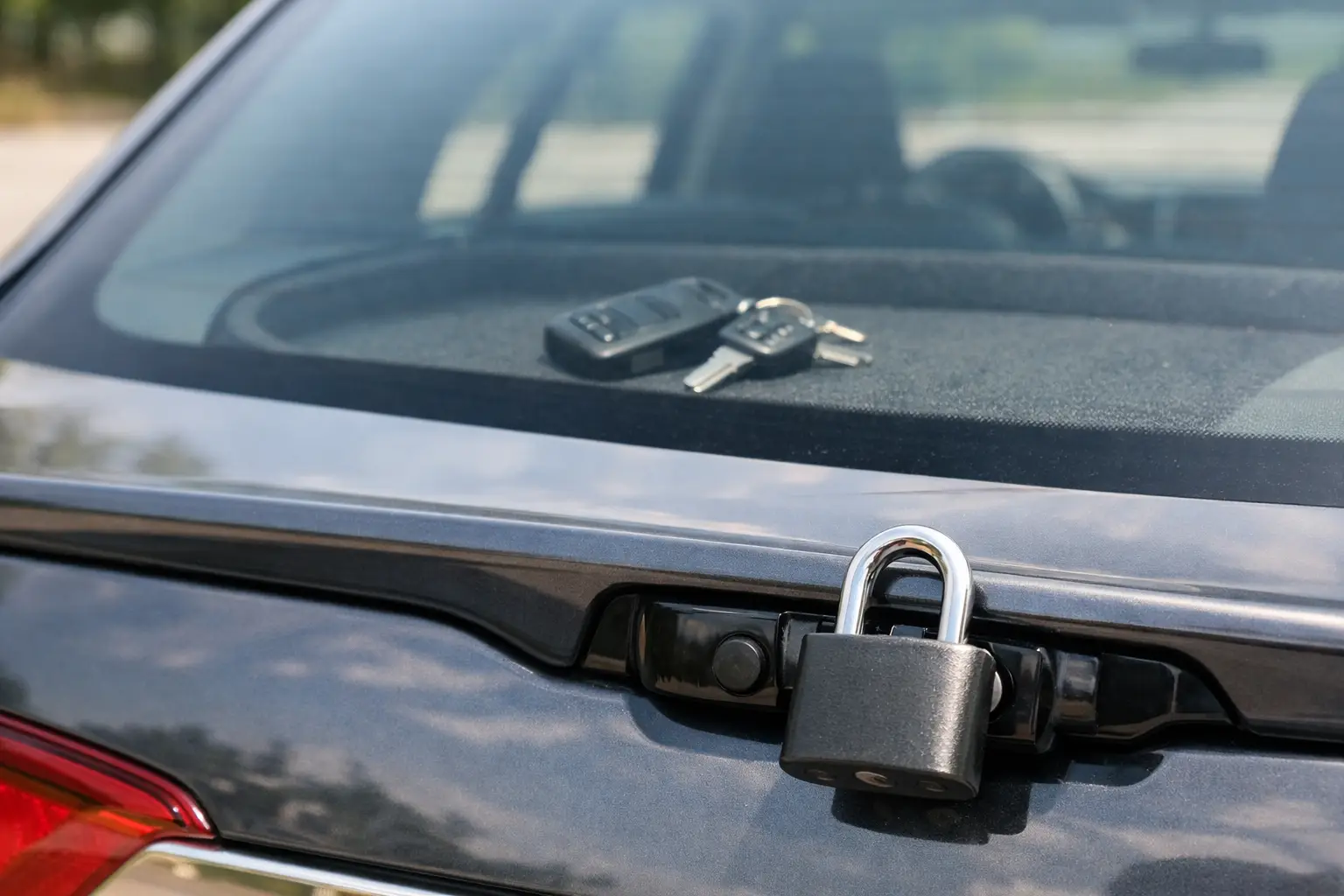
Your groceries are in the trunk. Your work bag is in the trunk. Or worse, your only set of keys is sitting right where you cannot reach it. Locked trunk access is frustrating because the fix feels close, but forcing it can turn a simple lockout into an expensive repair.
The right move depends on your vehicle, where the keys are, and whether anyone or anything is in danger. Start by protecting the car, your wallet, and your safety. A fast solution should not leave you with damaged weather stripping, a broken latch, or a surprise bill.
First, Check Whether This Is an Emergency
If a child, pet, or vulnerable person is trapped inside the vehicle or trunk, call 911 immediately. Do not wait for a locksmith, roadside service, or a friend to arrive. Heat can become dangerous quickly, even when the weather does not feel extreme outside.
If there is no immediate danger, take a breath and check the basics. Confirm that every door is actually locked. Many vehicles allow the trunk to be opened through the cabin, a key fob button, a mobile app, or a mechanical key hidden inside the remote. If you have a spare key nearby, that is often the quickest and least costly answer.
Do not keep pressing the trunk release over and over if the battery is weak or the car is acting strangely. A dead vehicle battery, a damaged fob, or a failed trunk latch may be the real problem. Knowing which issue you have helps avoid paying for the wrong service.
Safe Ways to Get Locked Trunk Access
Modern vehicles are built to resist unauthorized entry. That is good for security, but it also means internet tricks involving coat hangers, wedges, screwdrivers, or prying tools are a bad bet. Those methods can bend a door frame, tear seals, scratch paint, damage side airbags, or trigger a much larger repair bill.
A legitimate automotive locksmith can assess the vehicle on site and use the appropriate non-destructive method whenever possible. Depending on the make, model, and condition of the lock system, that may mean gaining entry through the door, creating or programming a replacement key, repairing a failed fob, or diagnosing a trunk release problem.
The method matters. Older vehicles may use a conventional mechanical key and simpler lock hardware. Newer cars often rely on transponder chips, proximity fobs, electronic trunk releases, and anti-theft systems. Getting the door open does not always mean the car will start or the trunk will release. A technician should explain the situation clearly before work begins.
Check the Key Fob and Mechanical Key
A fob that suddenly stops working may have a weak battery, but a dead fob battery does not necessarily mean you are stuck. Many fobs contain a small mechanical key. Look for a release tab or latch on the remote. That key may open the driver’s door, giving you access to the interior trunk release.
Not every vehicle has an interior trunk release that works in every circumstance. Some luxury and fleet vehicles have valet settings that disable the trunk button. Others require the vehicle to be unlocked first. If you are unsure, avoid forcing switches or panels. A broken interior release can cost more than a lockout service.
Use Your Vehicle App Only if It Is Already Set Up
Some manufacturers provide phone apps that can remotely unlock doors or release the trunk. This can be convenient, but it only works if the account was activated, the vehicle has a signal, and the car’s battery has enough power.
Avoid signing up for an unfamiliar third-party app in the middle of a lockout. It is unlikely to solve the immediate problem and may expose your personal information. Use the official manufacturer app or contact the manufacturer’s roadside support if you already have an active account.
When a Locksmith Is the Right Call
Call an automotive locksmith when the keys are locked inside, the fob is missing or broken, the trunk latch will not respond, or you need a replacement key at the vehicle. This is especially useful when you are away from home, parked at work, or stranded after normal dealership hours.
A qualified locksmith should ask for the vehicle year, make, model, location, and a description of the issue. They may also ask whether you have proof of ownership available. That is normal. Responsible service providers protect vehicle owners by verifying they are working on the right car.
For Orange County drivers, a mobile locksmith can often save the hassle of arranging a tow to a dealership for a basic lockout or key issue. But do not assume every situation requires the same service. If the car has collision damage, a seriously failed electrical system, or a damaged trunk mechanism, a repair shop may be needed after access is restored.
FAST & FAIR LOCKSMITH focuses on the part customers care about most in a stressful moment: getting there quickly and explaining the price before the work starts.
Ask About Price Before Work Begins
The locksmith industry has a reputation problem for a reason. Some ads promise a very low starting rate, then add unexplained charges after arriving. A fair service provider should give you a clear estimate based on your vehicle and the work required, then tell you what could change that price before proceeding.
Ask whether the quoted price includes the service call, labor, key programming, and any replacement parts. If the technician finds a different issue on arrival, ask for the updated total before authorizing additional work. You should not feel pressured to agree to a price you did not expect.
The cheapest advertised number is not always the lowest final cost. A rushed or destructive entry can lead to a damaged lock, window, weather seal, or electronic component. Fair pricing means being told what you are paying for, not being handed a vague estimate and hoping for the best.
Do Not Turn a Lockout Into Damage
It is tempting to try one more DIY method when your belongings are visible through the rear glass. Resist that urge. Vehicle locks and doors are more complicated than they look, and damage can happen in seconds.
Avoid prying at the trunk lid, drilling a lock, breaking a window, or trying to reach the release through a folded seat unless you can access it normally without disassembling anything. Do not crawl through a vehicle in an unsafe parking area or along a busy road. Move to a well-lit location if possible, keep your phone charged, and wait somewhere safe.
If the trunk is locked because the battery is dead, jumping the car may help in some cases, but only if you can safely access the battery terminals or designated jump points. Some vehicles place the battery in the trunk, which complicates the situation. Consult the owner’s manual if you have it, or let a professional inspect the vehicle rather than connecting cables blindly.
Prevent the Next Trunk Lockout
A little preparation makes locked trunk access far less stressful. Keep a spare key in a secure location away from the vehicle, not hidden under the bumper or inside the wheel well. If your car uses a fob, replace its battery before it becomes unreliable and learn where its mechanical key is stored.
If your vehicle supports a manufacturer app, set it up while everything is working. Make sure your registration and proof of insurance are accessible through your phone or another secure place, since you may need to verify ownership during a service call. Property managers and business owners with fleet vehicles should also keep track of who has each key and when replacements are made.
The best lockout plan is simple: do not force the car, get a clear price, and call someone equipped to solve the actual problem. Your trunk should open without creating a second emergency.