
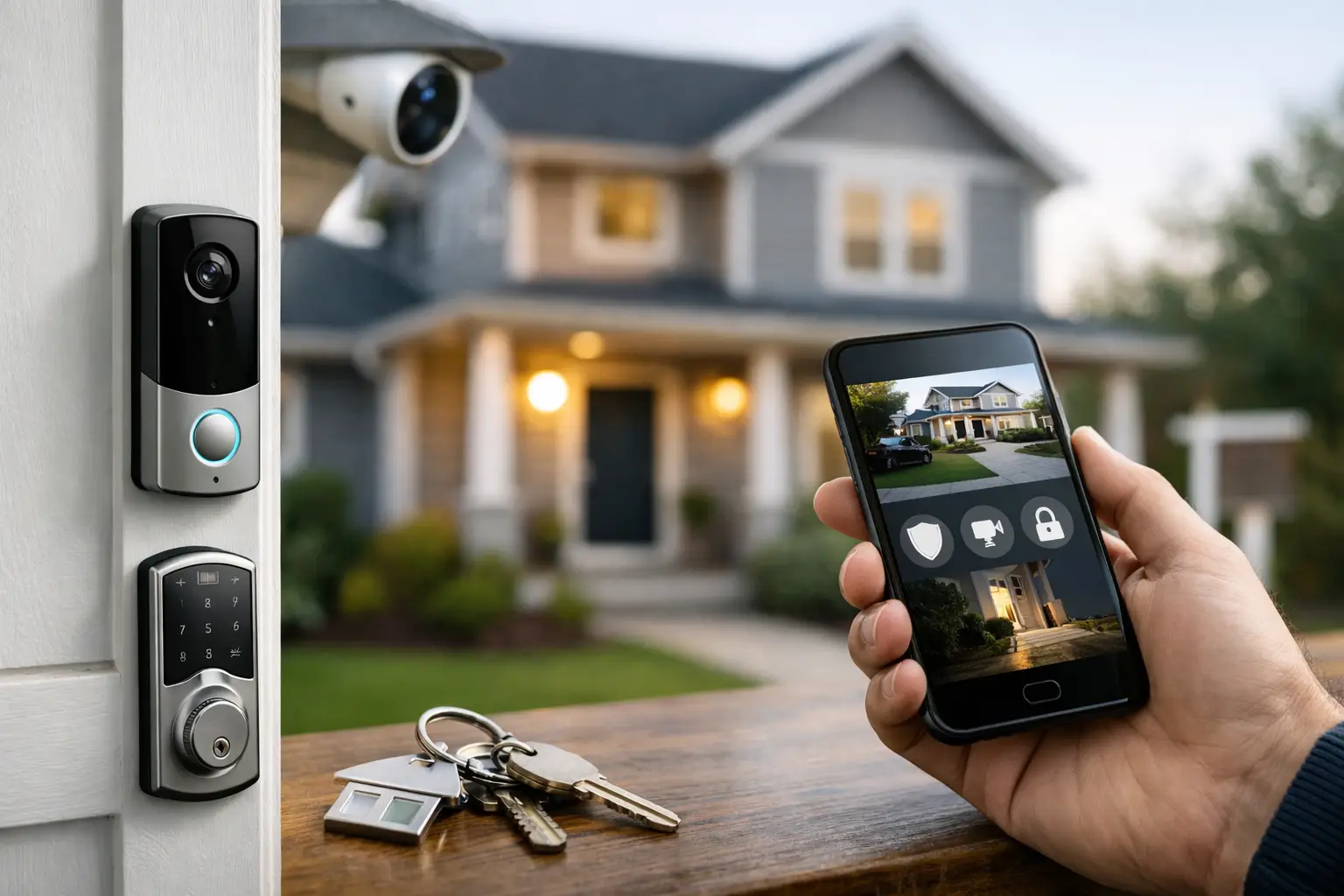
A rental can look fine at a glance and still have security problems hiding in plain sight. The real issue with how to secure rental property is not buying the most expensive lock on the shelf. It is closing the gaps that actually get used - old keys still in circulation, weak door hardware, dark entry points, and no clear plan when tenants move out.
If you own or manage rentals, security is part safety issue, part liability issue, and part cost-control issue. A break-in, unauthorized entry, or tenant lockout can turn into repairs, complaints, vacancies, and late-night calls fast. The good news is that most rental security problems are fixable without turning every unit into a fortress.
How to secure rental property starts with access
The biggest risk in most rentals is simple: too many people may still have a way in. Former tenants, contractors, cleaning crews, dog walkers, ex-partners, and neighbors may all have had keys at some point. If you are taking over a new property or turning over a unit, rekeying should be one of the first jobs on the list.
Rekeying is often the practical move because it changes which key works without replacing the whole lock. That keeps costs under control while cutting off old access. Full lock replacement makes more sense when the hardware is damaged, outdated, or too weak to trust. If the lock is loose, sticks, or can be forced easily, changing pins alone will not solve the underlying problem.
For multi-unit properties, key control matters as much as the lock itself. If you hand out duplicates casually and no one tracks them, security breaks down fast. Keep a simple record of who has keys, when they were issued, and when they were returned. That sounds basic because it is basic, and basics prevent a lot of expensive headaches.
Your doors matter more than your gadgets
A strong lock on a weak door is false confidence. Many break-ins happen because the frame splinters, the strike plate pulls out, or a hollow door gives way under force. Before spending money on cameras and smart systems, check the physical condition of the entry doors.
Exterior doors should shut cleanly, latch properly, and sit solidly in the frame. Deadbolts should throw fully into a reinforced strike plate with long screws anchored into the framing, not just the trim. If there is visible wobble around the knob or deadbolt, that is not cosmetic. It is a security problem.
Sliding doors need special attention in rentals. They are common, convenient, and often undersecured. A working latch is not always enough. Secondary locking devices and track blockers can make a big difference. The same goes for first-floor windows and side gates. If a person can reach it from the outside, it needs to be checked like an entry point, not treated like an afterthought.
Smart locks can help, but they are not magic
Owners and property managers ask about smart locks all the time, and the answer is: it depends. For some rentals, especially short-term or high-turnover units, smart locks are a practical upgrade. They make code changes easier, reduce key handoffs, and help when tenants get locked out.
But smart locks are not automatically better than good mechanical hardware. Battery failure, app issues, worn motors, bad installation, and tenant confusion can all create new problems. In a long-term rental with stable occupancy, a quality deadbolt and disciplined rekey schedule may be the better value.
If you do use smart locks, choose units rated for exterior use and have a backup plan. That means physical key override, fresh batteries on schedule, and clear tenant instructions. Fancy features are less important than reliability. A front door is not the place for gadgets that work great until they do not.
Lighting and visibility stop problems early
Security is not just about stopping forced entry. It is also about making your property a harder target in the first place. Poor lighting invites trouble because it gives cover to people checking doors, lurking near garages, or trying windows out of sight.
Focus on the areas a person would actually approach: front walks, side yards, rear entries, shared hallways, parking areas, and trash enclosures. Motion lights work well in some spots, while steady lighting is better in others, especially where tenants need to feel safe coming home at night. Good lighting also cuts down on slips, falls, and tenant complaints, so it pulls double duty.
Trim back landscaping that blocks doors, windows, and walkways. Overgrown shrubs can hide a person just as easily as they hide an ugly utility box. If you cannot see an entry from the street or from neighboring units, that area deserves a closer look.
How to secure rental property without overdoing it
There is a line between proper security and unnecessary spending. Not every rental needs cameras at every angle, commercial-grade access systems, or high-end hardware on every door. The right setup depends on the property type, neighborhood, tenant turnover, and budget.
For a single-family rental, the basics usually carry most of the load: rekeyed locks, solid deadbolts, reinforced strike plates, secure windows, working lights, and a clear process for move-ins and move-outs. For a small apartment building, you may need to think more about common entry doors, mailbox security, gate access, and how deliveries reach the property.
The mistake is spending money where it looks impressive instead of where it closes real gaps. A visible camera can help, but if the back door frame is weak, that is still your first fix. Start with the points a person can touch, force, pry, or exploit. Then build from there.
Tenant turnover is where security often fails
Move-out day creates more risk than many landlords realize. Keys go missing. Spare keys do not come back. Tenants leave windows unlocked. Contractors enter for cleaning or repairs while the unit is in transition. If you do not have a repeatable turnover process, security becomes guesswork.
A good turnover routine should include confirming key return, rekeying or replacing hardware as needed, checking every window and door, testing smoke and carbon monoxide alarms, and making sure exterior lighting works. If a tenant changed locks without permission, deal with that before the next occupant arrives. You do not want new tenants discovering access problems after move-in.
This is also the right time to evaluate whether the existing hardware still makes sense. If a lock has been repaired three times, replacement may be the cheaper choice now. If the front entry has repeated issues, upgrading that single point may prevent future service calls and tenant frustration.
Emergency planning is part of property security
Security is not only about preventing crime. It is also about handling lock and key problems fast when they happen. Tenants get locked out. Locks fail. Doors jam after hours. If there is no plan, a simple problem turns into damage when someone tries to force entry or calls the first locksmith they find and gets hit with a bloated bill.
Property owners should have a clear process for lockouts, lost keys, and urgent rekeys. Know who is authorized to request service and what information has to be verified before access is granted. That protects your tenants and protects you. Speed matters, but so does doing it the right way.
For property managers handling multiple units, working with a locksmith who gives straightforward pricing and shows up ready to solve the problem saves time and avoids repeat calls. In the San Diego area, that matters even more when traffic, after-hours access, and tenant schedules make delays expensive.
A few upgrades are worth the money every time
Some improvements pay off so consistently that they deserve serious consideration on almost every rental. Reinforced strike plates and longer screws are low-cost and effective. Rekeying between tenants is one of the smartest routine expenses you can make. Replacing worn-out hardware before it fails cuts down on emergencies.
If your property has older locks, sticky cylinders, loose handles, or mismatched hardware from years of patchwork repairs, fixing that now is usually cheaper than dealing with a break-in or lockout later. Security is one of those areas where putting things off often costs more.
And if you are unsure whether a lock should be repaired, rekeyed, or replaced, get eyes on it. A good locksmith should be able to tell you what is necessary, what is optional, and what is a waste of money. That is the kind of straight answer people deserve.
Rental security does not need to be flashy. It needs to work when the property is empty, when a new tenant moves in, and when something goes wrong at the worst possible time. If your doors are solid, your locks make sense, your access is controlled, and your turnover process is tight, you are already ahead of most property owners.