
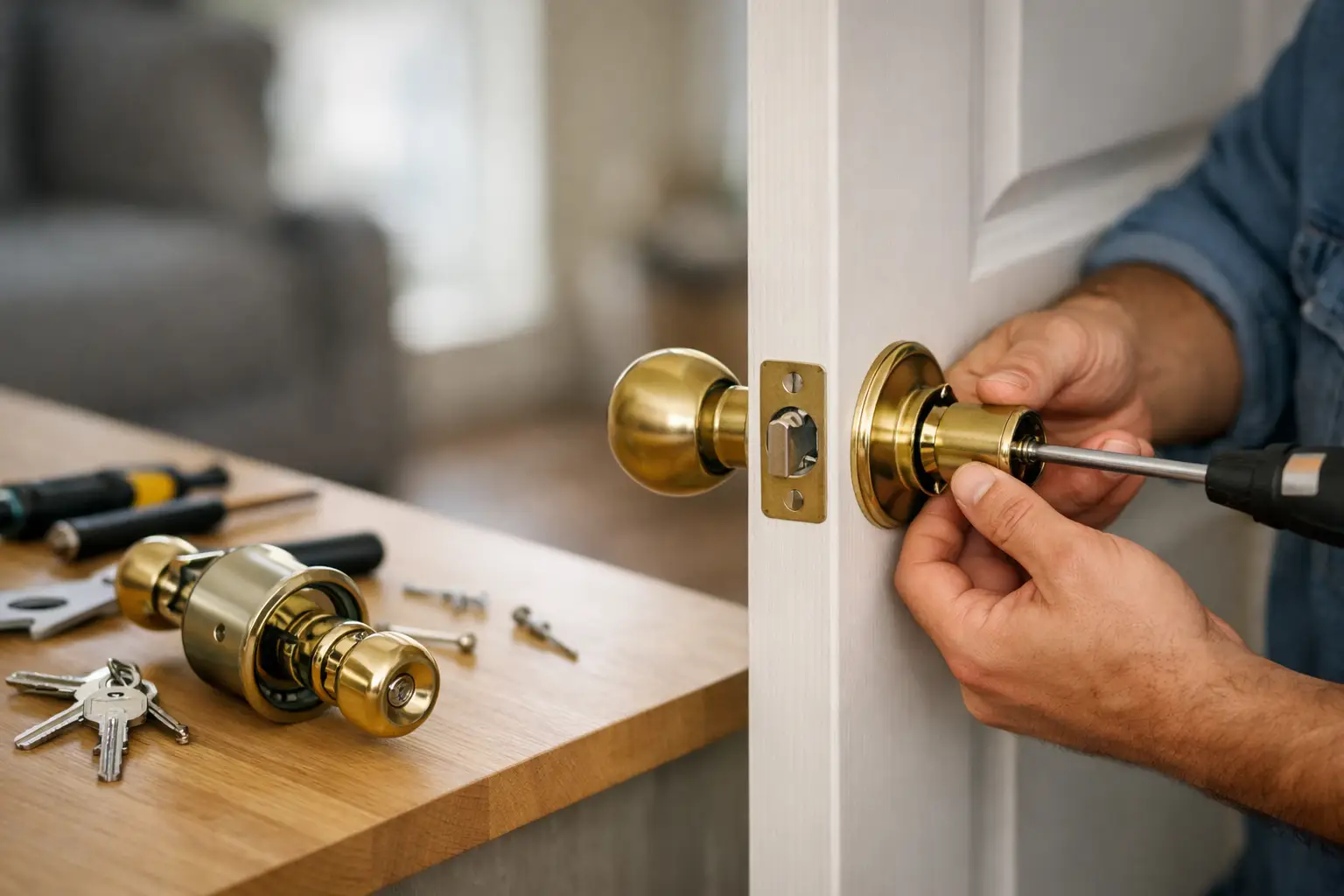
That front door lock usually gets attention only after something goes wrong - a lost key, a sticky deadbolt, a move-in, a breakup, a tenant turnover, or a break-in scare. If you're searching for how to replace door locks, you probably need a clear answer fast: can you handle it yourself, or is this one of those jobs that gets expensive when done wrong?
The short answer is yes, many door locks are replaceable with basic tools. But not every lock should be swapped the same way, and replacement is not always the smartest move. Sometimes rekeying is faster, cheaper, and just as secure. The real job is figuring out what you actually need before you start pulling hardware off the door.
How to replace door locks without creating new problems
Most standard residential lock replacements are simple on paper. You remove the screws, take out the interior and exterior hardware, slide out the latch, and install the new set in reverse order. If the new lock matches the door's existing bore holes and backset, the work can go quickly.
That said, the small details matter. If the latch is installed backward, the door may not close right. If the deadbolt tailpiece is misaligned, the key can bind or stop turning. If the strike plate doesn't line up with the frame, you can end up blaming the lock for a door alignment problem.
This is why people often think they have a bad lock when the real issue is the door itself. Wood doors swell. Frames shift. Older hardware leaves behind odd measurements. On rentals and commercial doors, previous repairs may have created a patchwork of parts that do not match modern lock sets cleanly.
First, decide if you need replacement or rekeying
Before buying a new lock, ask one question: do you need new hardware, or do you just need old keys to stop working?
If your lock works well and you simply lost a key, changed tenants, ended a roommate situation, or bought a home, rekeying is often the better choice. It changes the lock's internal pins so old keys no longer work. You keep the existing hardware, which saves money and avoids fit issues.
Replacement makes more sense when the lock is worn out, damaged, low quality, missing parts, or no longer matches your security needs. It also makes sense if you want a different finish, a keypad lock, smart lock features, or matching hardware across several doors.
For property managers, the difference matters. Rekeying several units can be far more cost-effective than full hardware replacement. For a homeowner after a forced entry attempt, replacing weak hardware with a stronger deadbolt may be the right call even if the old lock still turns.
What you need before you start
For a basic lock replacement, you usually need a screwdriver, the new lock set, and a few minutes to confirm measurements. The two measurements that matter most are the bore hole size and the backset, which is the distance from the edge of the door to the center of the hole.
Most residential doors use standard sizes, but "most" is not the same as "all." Older homes can surprise you. So can decorative doors, metal security doors, and commercial storefront hardware. If you buy a lock first and measure later, that is where the job starts going sideways.
You should also check door thickness. Some lock sets fit standard doors only, while thicker doors need an adjustment kit or different hardware. If you're replacing just a knob lock and ignoring a weak deadbolt above it, you're also missing the bigger security picture. On exterior doors, the deadbolt does the heavy lifting.
The basic process for how to replace door locks
Start with the door open. That sounds obvious, but plenty of people begin with the door shut and then realize they have disabled the only working lock on the entry they need.
Remove the screws on the interior side of the existing lock. Once the interior and exterior halves separate, pull them off the door. Then remove the latch from the edge of the door. If you're replacing a deadbolt too, repeat the same process for the upper lock.
Before installing the new latch, check which direction the bevel should face. The angled side needs to meet the strike correctly when the door closes. Slide the latch into place and secure it, then align the exterior and interior portions of the lock through the door. Tighten the screws evenly. Do not crank one side all the way down before the other, or the hardware can sit crooked.
Test the lock several times with the door still open. Turn the knob or lever, throw the deadbolt, insert the key, and make sure nothing binds. Then close the door and test again. If the bolt rubs, sticks, or needs force, stop there. Forcing a bad fit wears out new hardware fast.
Where DIY lock replacement usually goes wrong
The most common mistake is assuming every lock is interchangeable. It is not. Entry knob locks, deadbolts, mortise locks, interconnected locks, smart locks, and commercial cylindrical locks all have different fit and function issues.
The second mistake is replacing a lock when the door frame is the actual problem. If the deadbolt doesn't line up with the strike because the house settled or the hinges sagged, a brand-new lock won't fix that. It may even feel worse because tolerances are tighter.
The third mistake is buying the cheapest hardware available for a door that actually needs real security. A bargain lock may be fine on an interior hallway door. It is a bad place to save money on the main entry to your home, office, or rental.
Then there is the pricing trap people don't think about until later: buying the wrong lock twice, drilling new holes, patching finish damage, and still calling a locksmith after wasting half the day. Cheap becomes expensive fast.
When to call a locksmith instead
If the lock is on an exterior door and security matters right now, speed matters more than pride. A locksmith makes the most sense when the door has alignment issues, the hardware is damaged, the lock type is non-standard, or you need multiple locks keyed alike.
You should also call if this is a rental turnover, office rekey, post-break-in situation, or after-hours problem. In those cases, the goal is not just changing hardware. The goal is restoring secure access quickly without guesswork.
A good locksmith should tell you plainly whether rekeying or replacement makes more sense. If someone pushes the most expensive option without checking the condition of the existing hardware, that is a red flag. Fair service means solving the problem you have, not selling the one you do not.
In San Diego, that matters even more for property owners who need fast turnover work or homeowners dealing with urgent lock issues outside regular business hours. Delays leave doors unsecured, and vague pricing helps nobody.
Choosing the right replacement lock
Not every door needs the highest-priced lock on the shelf, but every exterior door needs a lock that matches the risk. A basic interior privacy lock is one thing. A front door, side gate entry, or small business back door is another.
For most homes, a solid deadbolt from a reputable brand is the baseline. If convenience matters, keypad deadbolts can work well, especially for rentals, kids, or frequent service access. Smart locks add remote control and code management, but they also introduce battery maintenance, app setup, and more points of failure.
For small businesses, traffic volume changes the equation. A lock that works fine at a house may wear out quickly on a storefront or office suite. Commercial-grade hardware costs more upfront, but it is usually the cheaper move over time.
If you want all doors to use one key, say that before the work starts. That is easy to plan for and annoying to fix later.
A smarter way to think about lock changes
Replacing a lock is not just a hardware task. It is an access decision. Who should still have entry? Which doors matter most? Are you fixing convenience, appearance, or actual security?
That is why the best answer to how to replace door locks is sometimes, don't replace them - rekey them. And sometimes the right answer is to replace one weak point instead of every lock in the building. Good security is targeted. It is not random spending.
If you handle it yourself, measure first, buy quality, and test everything before closing the door. If the situation is urgent or the hardware is fighting you, get it done properly and get it done fast. The right lock job should leave you with one feeling above all: the problem is handled.