You don’t call a locksmith because you’re having a relaxing day. You call because your keys are on the wrong side of a locked door, your car fob quit at the worst possible moment, or a tenant moved out and you need control of the keys again - now.
In those moments, “fast” is obvious. “Fair” is where people get burned.
This is what fast and fair should actually mean in real life, what to ask for before anyone shows up, and how to spot the pricing games that give this industry a bad name.
What “fast & fair locksmith” should mean
A fast & fair locksmith is simple: quick arrival, straightforward work, and pricing that matches the job - not your stress level.
Fast is about response time and readiness. The technician shows up with the right tools and common parts, so your situation gets handled on-site instead of turning into a second appointment.
Fair is about transparency and restraint. You get a clear explanation of what you’re paying for, and you don’t get pressured into unnecessary replacements or upgrades just because you’re in a hurry.
There’s a real trade-off here: the fastest dispatch at 2:00 a.m. can cost more than a scheduled visit at 10:00 a.m. That’s normal. What isn’t normal is a low quote that “changes” after the technician arrives and sees you have no other option.
The moments that demand speed (and honesty)
Most locksmith calls fall into a few high-pressure categories. They’re all solvable. The difference is whether they’re solvable without drama.
Home and apartment lockouts
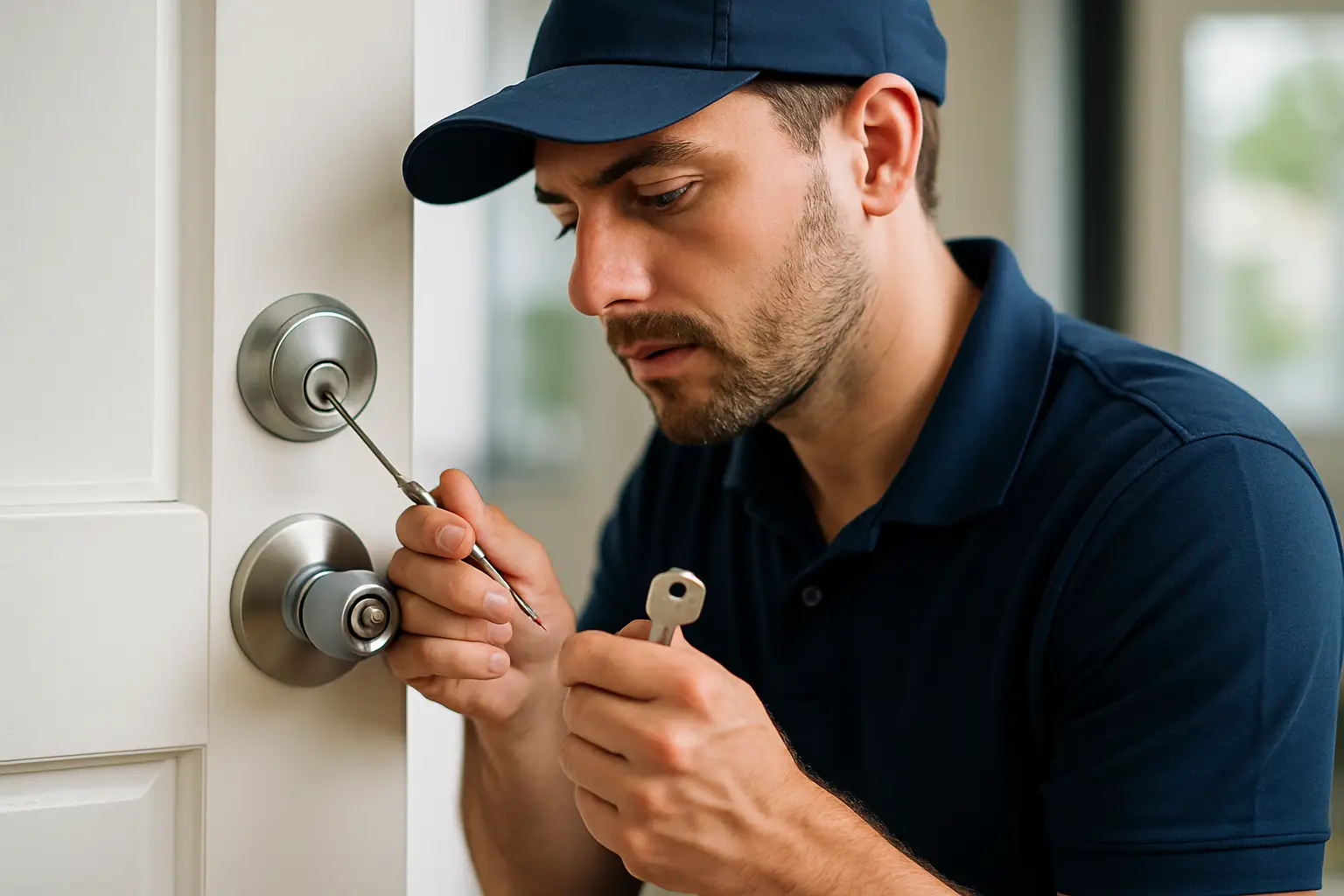
If your key is inside, lost, or snapped in the lock, the goal is entry without damage whenever possible. A fair locksmith will tell you if your lock looks pickable, if a bypass is possible, or if drilling is truly needed.
If you’re a renter, it also depends. Some property managers require you to call their approved vendor. Others will reimburse you if you provide a receipt. A fair operator won’t pretend you “must” replace everything just to get back inside.
Car lockouts and key problems
Car work ranges from simple lockouts to programming a new key or fob. Fair pricing here means stating up front whether your vehicle likely needs a cut key, a transponder key, a proximity fob, or diagnostic programming.
It also means being honest about constraints. Some vehicles require security steps that take time, and sometimes a dealership is the right answer. A fair locksmith doesn’t waste your night pretending otherwise.
Rekeys after move-outs or breakups
Rekeying is one of the best values in locksmithing. You keep the same hardware, but change what keys work. It’s fast, clean, and usually cheaper than replacing all the locks.
But it depends on what you have. If your locks are mismatched brands or heavily worn, replacement might make more sense. Fair means explaining that trade-off in plain language.
Business access issues
Storefront locks, master key systems, panic bars, and door closers can’t be treated like a basic residential knob. Fast matters because downtime costs money.
Fair matters because commercial work can balloon if someone starts swapping parts without confirming what’s actually failing. A fair locksmith diagnoses first, then fixes.
What fair pricing looks like on a real call
Fair pricing is not “cheap.” It’s consistent and explainable.
On a typical service call, pricing usually breaks into three pieces: a service call/trip charge, labor for the job itself, and parts if parts are needed. After-hours service can add a premium. Complex keys or specialty hardware can add cost. None of that is a problem if it’s communicated before the work begins.
What customers should be able to get over the phone is a realistic range and the factors that move it. For example: “If it’s a standard house lockout and the door isn’t dead-bolted with a high-security cylinder, it’s usually X to Y. If we need to drill or replace hardware, we’ll confirm pricing before we do anything.”
Fair also means you’re told the price before a part is installed. If a technician is already holding a new lock in their hand and only then tells you the total, that’s backwards.
The bait-and-switch signs to watch for
If you’re calling under pressure, you need quick filters. Here are the patterns that should make you slow down.
If the quote is unbelievably low, treat it like a red flag, not a deal. A “$19 lockout” doesn’t cover a real dispatch, a trained tech, insurance, and time on-site. That number is often bait.
If the person on the phone won’t give any range at all, that’s also a problem. Exact pricing can be hard without seeing the door or vehicle, but refusal to offer a range usually signals they plan to price you on the spot.
If the tech arrives and immediately claims the lock “can’t be picked” without trying, that’s another classic move. Sometimes drilling is necessary, but it should be the last step, not the first.
If you feel rushed into replacing hardware you didn’t ask to replace, pause. A fair locksmith can explain why rekeying won’t work, why the lock is damaged, or why a certain part is required. Pressure without explanation is not professionalism.
What to ask on the phone (takes 60 seconds)
You don’t need to be an expert. You just need a few direct questions.
Ask for the total price range for your situation and what would make it go higher. Ask if there’s an after-hours fee, and whether the service call is included or separate.
Ask for an ETA that’s stated plainly - and what happens if that ETA can’t be met. A fast operation dispatches realistically instead of promising 15 minutes and showing up in 90.
Ask if the technician will confirm the price before starting work. That one question prevents most “surprise totals.”
If it’s a vehicle key issue, give the year/make/model and ask what type of key you likely need. If it’s a rekey, tell them how many doors and whether you want everything keyed alike.
Fast response is a system, not a slogan
Speed comes from logistics: proper dispatching, local coverage, stocked vehicles, and technicians who do this work every day.
A real fast-response locksmith doesn’t treat every call like a mystery. They show up prepared for the most common lockouts, broken keys, standard rekeys, and everyday lock replacements.
Speed also means clean communication. If traffic or another emergency is pushing the arrival time, you should hear about it. Waiting isn’t the crime. Not telling you is.
The difference between rekeying and replacing (and when it depends)
Customers get upsold here more than almost anywhere.
Rekeying is ideal when the hardware is in good shape and you want to control who has keys. Landlords love it because it’s cost-effective across multiple units.
Replacement is the better call when the lock is worn out, damaged, or you want a different function - like adding a deadbolt, moving to a keypad, or upgrading to higher security.
Sometimes the right answer is mixed: rekey the good locks, replace the one that’s failing, and key them alike so you’re not carrying three keys. That’s fair problem-solving.
How a fair locksmith handles security questions
A locksmith should protect you, not just your door.
Expect basic verification. If you’re locked out of a home, you may be asked for ID once you’re inside, or for proof that you live there. For a vehicle, proof of ownership can come up. That’s not an inconvenience - it’s part of doing the job responsibly.
Also expect straight answers. If you ask whether a lock is “good,” a fair locksmith won’t pretend every option is perfect. Some locks resist picking better. Some fail faster. Some are fine for a low-risk interior door but not for an exterior entry. You should hear those distinctions in plain English.
When you should schedule instead of calling as an emergency
Not every job needs a red-light response.
If you want all the doors keyed alike, you’re upgrading hardware, you’re setting up a master key system, or you manage multiple units, scheduling can save money and time. You’ll also have more options for hardware and finishes.
Emergency calls are for when access and safety can’t wait. Fair companies tell you that, even if it means talking you into the cheaper scheduled option.
One promise that matters: price before work
If you remember one thing, make it this: the technician should confirm the price before any drilling, replacement, or added parts.
That’s the line between “help” and “hustle.” A fast & fair locksmith gets you back in, gets you secure, and keeps the math honest.
If you need dispatch-ready help with that exact mindset, call FAST & FAIR LOCKSMITH and ask for the price range and ETA up front - the right shop won’t flinch.
Keep your next call simple: describe the problem clearly, ask the range, get the ETA, and don’t approve extra work until the price is spoken out loud. That’s how you stay in control, even when you’re the one locked out.