
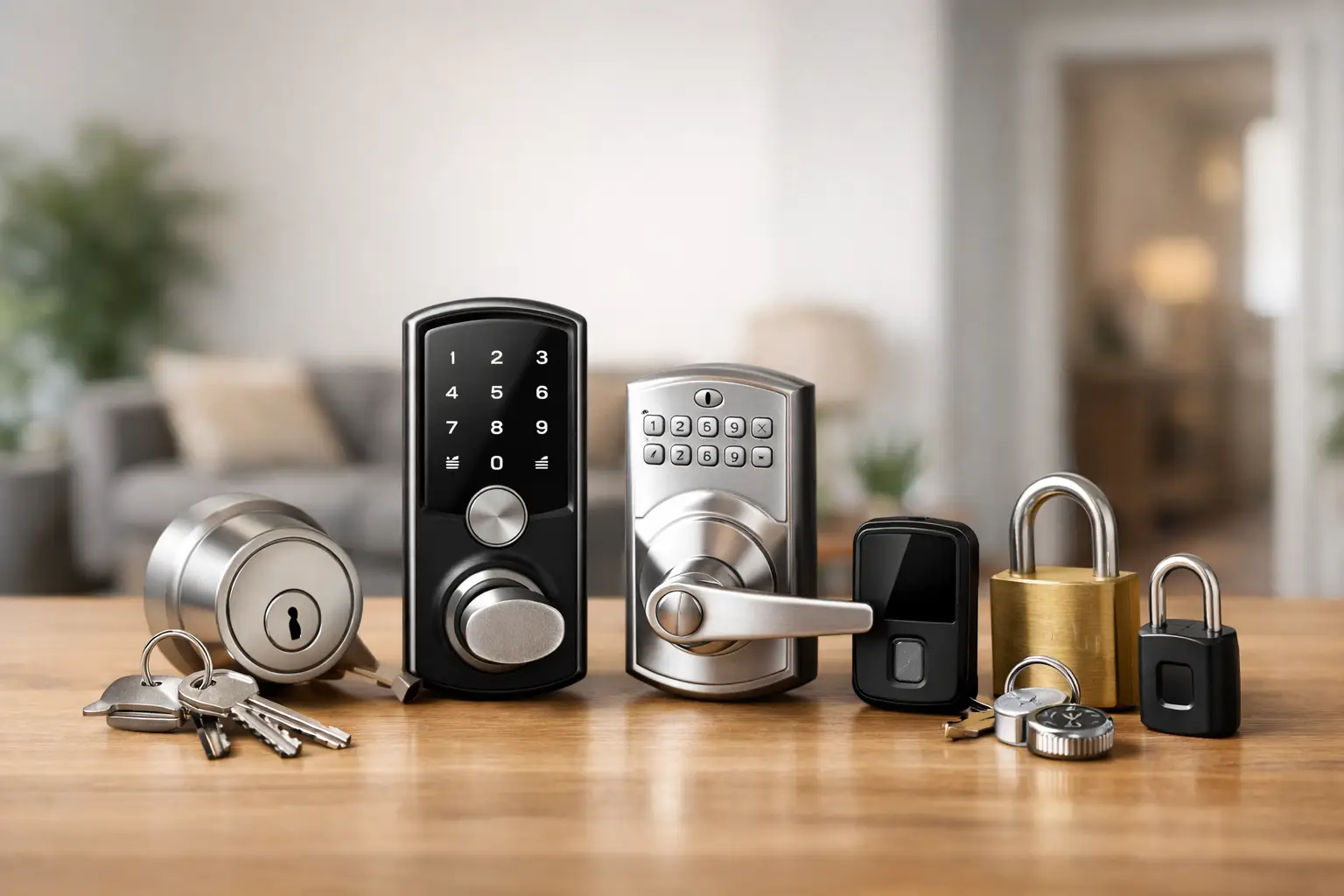
A tenant moves out on Friday. The next tenant gets keys on Saturday. That short gap is where a lot of rental security problems start. If you're choosing the best locks for rental property, you are not just buying hardware. You are buying control over turnover, maintenance calls, liability, and how fast you can secure a unit when plans change.
For landlords and property managers, the right lock is the one that stays reliable under heavy use, is easy to manage between tenants, and does not create a bigger service headache than it solves. Fancy features can help, but only if they hold up in the real world.
What makes the best locks for rental property?
A rental lock has a harder life than a lock on an owner-occupied home. Keys get copied. Tenants lose them. Doors get slammed. Move-ins happen on tight schedules. That means your first priority is not style. It is control.
The best rental locks usually do four things well. They resist forced entry, they make tenant turnover easier, they are simple for residents to use, and they can be serviced without turning a small problem into an expensive one. If a lock is secure but a nightmare to rekey, that matters. If a smart lock is convenient but burns through batteries and creates after-hours lockouts, that matters too.
This is why there is no single perfect answer for every property. A single-family rental, a small apartment building, and a short-term rental all need something a little different.
1. Grade 1 or Grade 2 deadbolts
If you want the safest default choice, start here. A good deadbolt remains one of the best locks for rental property because it is simple, proven, and easier to maintain than most electronic options.
For most residential rentals, a quality Grade 2 deadbolt is the practical sweet spot. It offers strong security without pushing costs too high across multiple units. Grade 1 locks are tougher and often make sense for higher-risk locations, shared entry points, or properties that see a lot of wear.
The catch is installation. Even a strong deadbolt can underperform if the strike plate is weak, the screws are too short, or the door frame is compromised. A lock is only as good as the door system around it.
2. Rekeyable deadbolts and locksets
For long-term rentals, rekey-friendly hardware is hard to beat. When a tenant moves out, you need a fast, clean way to change access without replacing the full lock every time.
Some lock systems are designed specifically to make rekeying quicker and more cost-effective. That saves money over time, especially if you manage multiple units. It also reduces the temptation to skip a rekey between tenants, which is where landlords get exposed.
This option is not flashy, but it is smart. If your main concern is predictable turnover costs and secure key control, rekeyable hardware deserves serious attention.
3. Keypad deadbolts
Keypad locks solve one of the most common rental problems - key management. No copied keys, no lockboxes hanging around too long, and no need to meet every tenant just to hand over a physical key.
For short-term rentals and higher-turnover units, keypad deadbolts can be a strong choice. You can change codes between occupants, assign temporary access for cleaners or maintenance, and reduce the odds of a tenant getting locked out because they left a key inside.
Still, keypad locks are not maintenance-free. Batteries die. Buttons wear out. Some cheaper models struggle in heat, moisture, or constant use. If you go this route, pick commercial-leaning quality and have a clear plan for battery checks and backup access.
4. Smart locks with remote management
Smart locks get a lot of attention, and sometimes for good reason. If you manage rentals at scale or handle frequent guest turnover, remote access control can save real time. You can issue codes without driving across town, confirm when access changed, and manage multiple users more efficiently.
This is where convenience starts paying for itself. For a busy property manager, fewer site visits can mean faster turnovers and fewer coordination problems.
But smart does not always mean better. Wi-Fi issues, app problems, battery failure, and tenant confusion can turn a simple door into a service call. Some landlords also overestimate how much tech their tenants actually want. In a straightforward long-term rental, a smart lock may be more system than you need.
The smart lock sweet spot is usually properties where remote control solves a real problem, not where it just sounds modern.
5. Lever handle locksets for select units
For some rentals, especially where accessibility matters, a lever handle lockset paired with a deadbolt can be a practical setup. Levers are easier for many tenants to operate than knobs, including seniors and people with limited hand strength.
The key point is paired with a deadbolt. The handle lock alone should not be your main security layer on an exterior door. Use it for convenience and code compliance where needed, but let the deadbolt do the heavy lifting.
This setup works well in multifamily housing and units where ease of use matters as much as security.
6. Interchangeable core locks for larger portfolios
If you manage a larger apartment complex or a portfolio with frequent unit turnover, interchangeable core systems can make life much easier. These are built for speed. Instead of removing and rekeying the whole cylinder in place, a technician can swap the core and restore control fast.
That makes a real difference when a tenant leaves unexpectedly, a master key issue comes up, or several units need attention at once. For property managers, time is money, and this type of system is built around that reality.
The downside is cost and complexity. It is not the best fit for a landlord with one or two rentals. But for bigger operations, it can pay off through efficiency and tighter key control.
7. Mortise locks for heavy-use doors
Mortise locks are not necessary for every rental, but they can be a strong option for certain buildings, especially older properties or high-traffic shared entrances. They are generally durable and can offer solid long-term performance when properly installed and maintained.
They also tend to cost more to repair or replace, and parts compatibility can get tricky in older doors. If your building already has mortise hardware, the right move is often to service or upgrade that system correctly rather than forcing a cheaper cylindrical lock into a door that was not built for it.
What to avoid when choosing rental locks
The biggest mistake is buying the cheapest lock on the shelf and expecting it to survive years of tenant turnover. Budget hardware may look fine on day one, but repeated use exposes weak cylinders, loose trim, and poor latch performance fast.
Another mistake is choosing locks based only on convenience. A lock that looks great in an app but fails during a battery issue at 11 p.m. is not saving you money. And if your locks are so complicated that every code change or rekey becomes a hassle, you will feel that problem every turnover.
It is also worth avoiding a mixed patchwork of random brands and keyways across a property unless there is a good reason. Standardization makes service, rekeying, and replacement much easier.
How to match the lock to the property
A single-family rental usually does well with a quality deadbolt and a rekey plan between tenants. If the owner wants more convenience, a dependable keypad deadbolt can work, especially if there is a backup key option.
A long-term apartment rental often benefits from durable Grade 2 deadbolts, consistent hardware across units, and a system that makes rekeying quick. The goal is less drama at turnover, not more technology.
Short-term rentals are where keypad and smart locks make the most sense. Frequent guest access changes create a real need for code management and remote control. Even then, reliability matters more than features.
Shared building entrances or commercial-style multifamily properties may justify heavier-duty systems such as Grade 1 hardware, mortise locks, or interchangeable cores. These setups cost more up front, but the value shows up in durability and faster service.
Installation matters as much as the lock
A strong lock installed badly is still a weak point. Loose strike plates, worn door jambs, misaligned latches, and doors that do not fully close can all undermine security.
This is where property owners lose time and money. They replace hardware when the real problem is the frame, the fit, or years of wear on the door itself. A proper lock change should include checking alignment, strike reinforcement, and whether the existing door can actually support the hardware you are installing.
In the San Diego area, salt air and weather exposure can also wear down exterior hardware faster than many landlords expect, especially near the coast. Corrosion resistance is not a luxury there. It is part of choosing a lock that lasts.
The best choice is the one you can manage
The best locks for rental property are the ones that help you stay in control without creating extra headaches. For many landlords, that means a strong deadbolt with easy rekeying. For some, it means keypad access. For larger operations, it may mean a more advanced key system.
The right answer is usually not the most expensive lock or the most high-tech one. It is the one that fits the building, the tenant type, and the speed at which you need to secure the property when something changes. Good rental security is not about making things complicated. It is about making the next move easier, safer, and faster.